Halloween Safety Tips for Families and Homeowners
Halloween should be fun for everyone. These Halloween safety tips cover costumes, candy, decorations, driving and home safety, with links to official sources where we state facts.
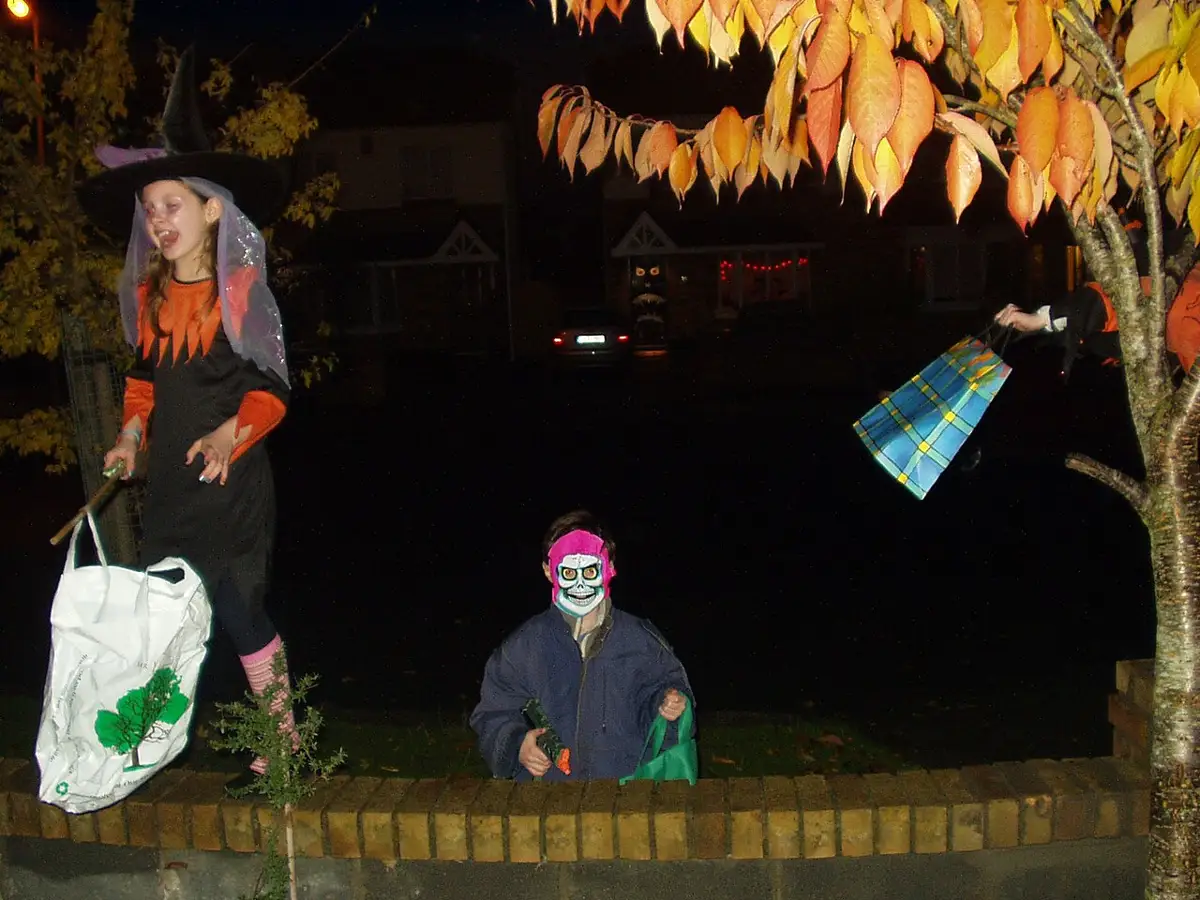
Before you head out
- Plan your route ahead of time. Our Halloween house map lets you pick stops and open the route in Google Maps.
- Agree on a meeting spot and a time to be home. Older kids should carry a charged phone.
- Little kids should always go with an adult. Older kids should stay in groups on familiar, well-lit streets.
- Eat a meal before you go, so there’s less temptation to snack on unchecked treats.
Costume safety
Pick costumes that fit, don’t drag on the ground, and are bright or have reflective trim. Masks can block vision, so face paint is often the better option. Test any makeup on a small patch of skin first. Look for flame-resistant fabrics, and keep capes, wigs and loose fabric away from candles. Fire-safety guidance from the NFPA Halloween safety highlights costumes and decorations as fire risks around open flames.
Candy and food allergies
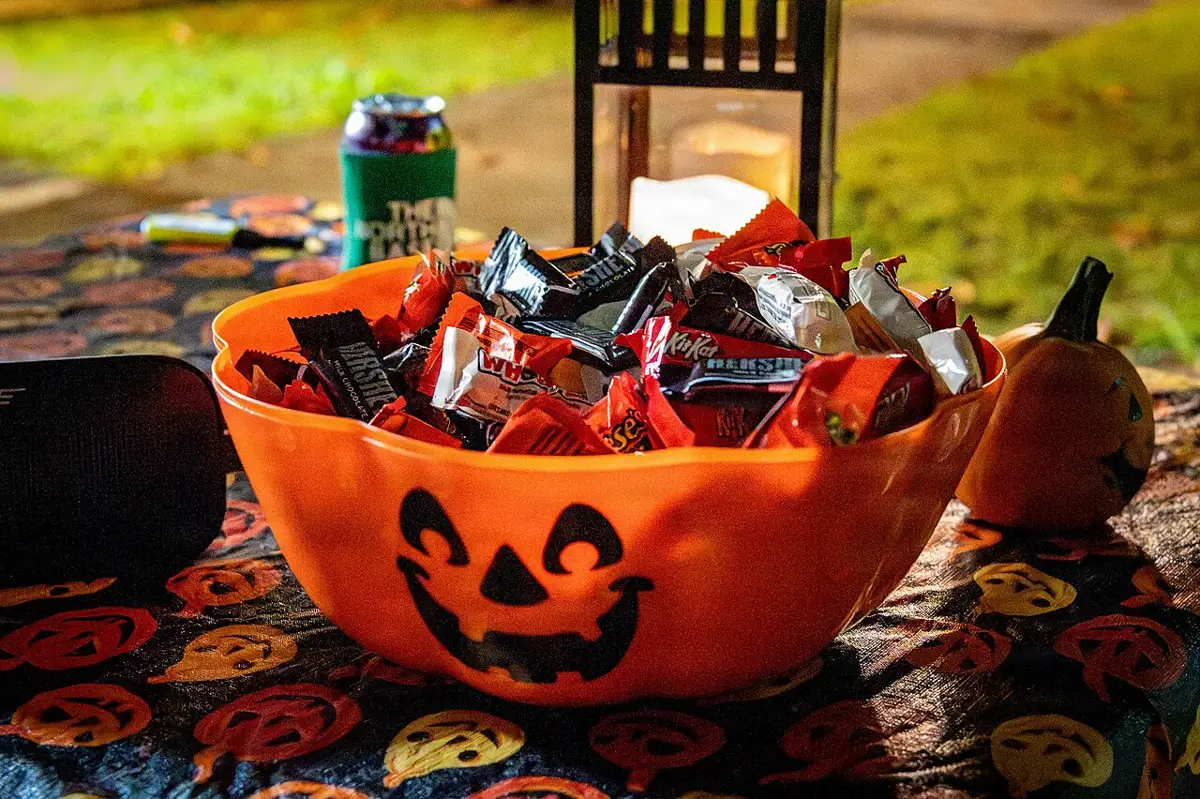
Have an adult check every treat at home. Throw out anything unwrapped, opened or homemade by a stranger, and watch for choking hazards for young children, like hard candy, gum and small toys. Families managing food allergies can look for allergy-friendly candy stops on our map, and a non-food treat like stickers or glow sticks is a kind option for any house. For product recalls in Canada, check Government of Canada Recalls and Safety Alerts.
Decorations and fire safety at home
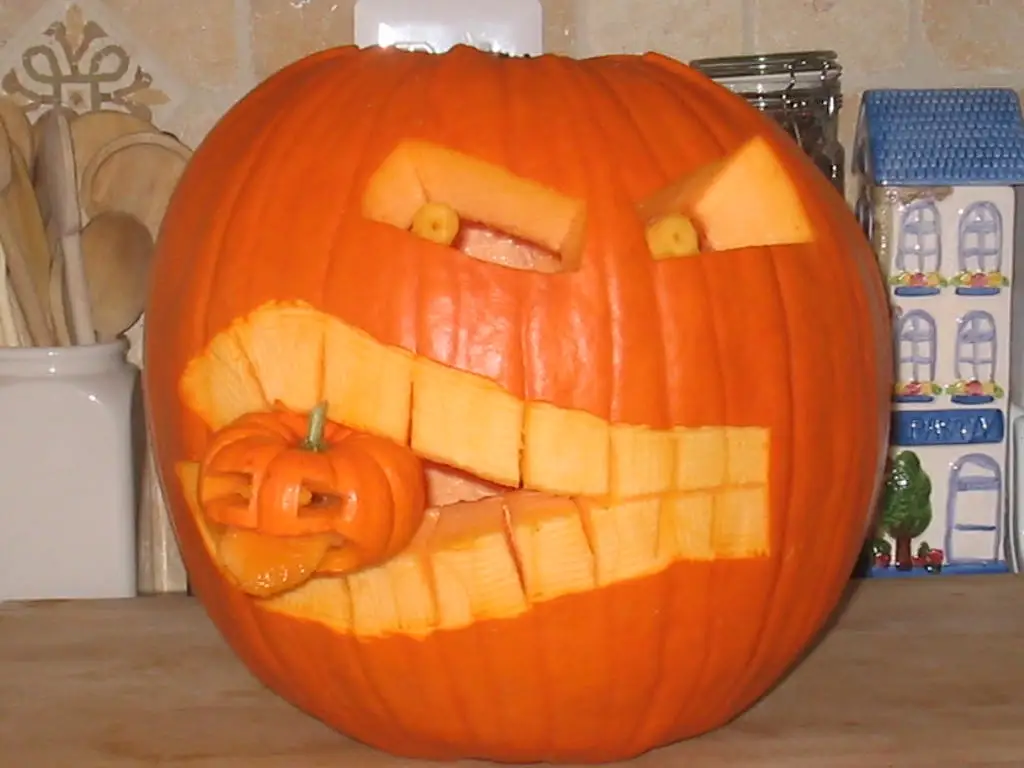
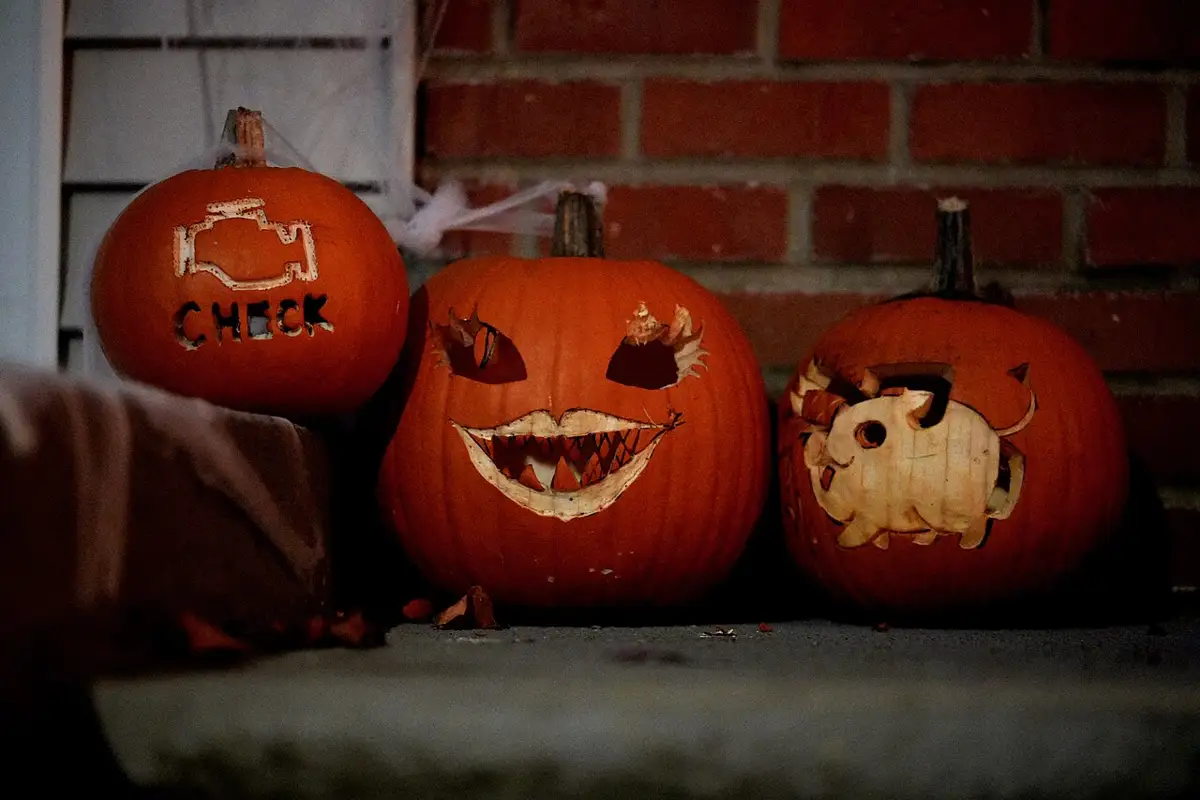
- Use LED candles or glow sticks in jack-o-lanterns.
- Keep hay bales, dried corn stalks and paper decorations away from heat sources, lights and exits.
- Use outdoor-rated lights and cords and don’t overload outlets.
- Keep exits and walkways clear. See NFPA Halloween safety for more.
Safety for drivers
Between dusk and about 9 PM, slow down in residential neighbourhoods, watch for children darting between parked cars, and take extra care entering and leaving driveways. If you’re driving between houses on our map, park legally and walk the last stretch.
Tips for homeowners welcoming trick-or-treaters
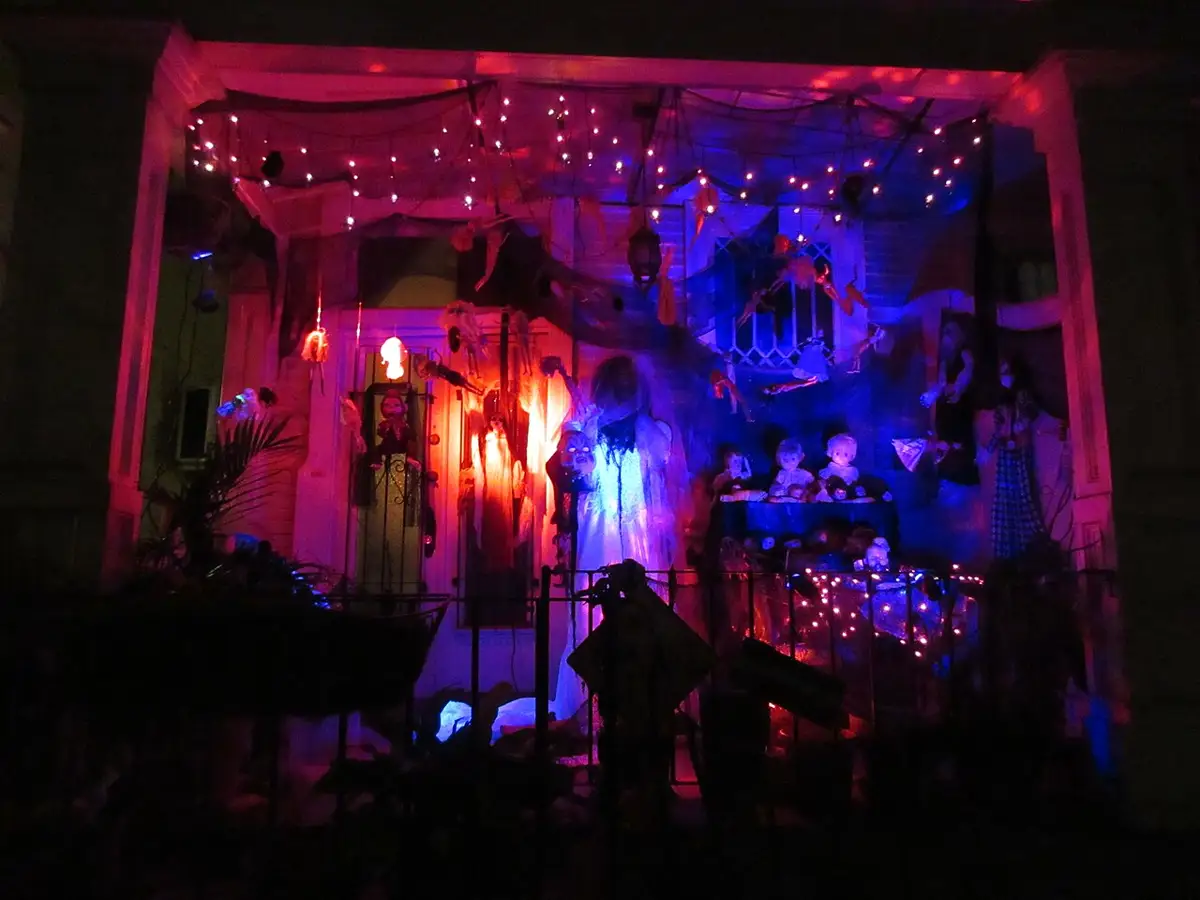
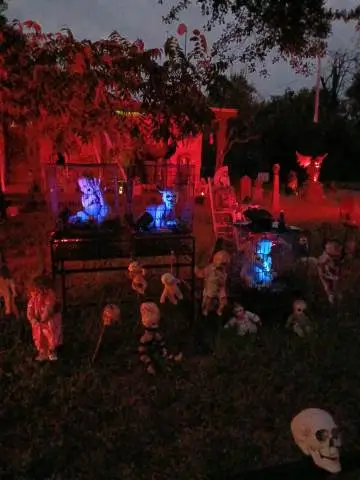
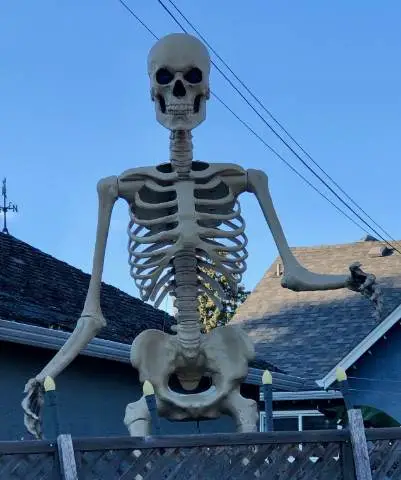
A clear, well-lit path is the best welcome. Secure props against wind, tape down cords, keep pets inside, and salt icy steps in colder regions. If your display is scary, consider a “no scare” route for little ones and say so in your map listing. See our haunted house ideas guide for more on building safely.
Halloween safety FAQ
How can I make my child more visible on Halloween night?
Choose bright costumes, or add reflective tape to the costume and treat bag, and give each child a flashlight or glow stick. Fire-safety groups like the NFPA also recommend handing out flashlights and glow sticks instead of using candles.
Are candles safe in jack-o-lanterns?
Battery-operated LED candles or glow sticks are the safer choice. If you do use a real candle, keep the pumpkin well away from where trick-or-treaters walk and from anything that can burn, and never leave it unattended.
What should I look for in a costume?
A costume that fits well, isn’t long enough to trip on, and lets the child see clearly. Face paint or makeup is often safer than a mask that blocks vision. Look for “flame resistant” on the label of costumes and accessories.
Should kids eat candy before they get home?
It’s a good habit for an adult to check treats first. Throw out anything unwrapped, opened or homemade by someone you don’t know, and check labels for allergens. For kids with food allergies, look for allergy-friendly pins on our map.
How do I keep my home safe for trick-or-treaters?
Turn on your porch light, clear steps and walkways of decorations, hoses and wet leaves, and keep pets indoors. Make sure cords and props can’t trip anyone, and keep flammable decorations away from heat and open flames.
Are drivers a concern on Halloween?
Yes. Children are out at dusk and often cross mid-block. Drive slowly through residential areas, watch for kids between parked cars, and use headlights early in the evening. Kids should cross at corners and look both ways.
These tips are general guidance, not medical or legal advice. Follow your local municipality and fire department for rules where you live.
Browse safe, family-friendly stops near you in our city guides.